


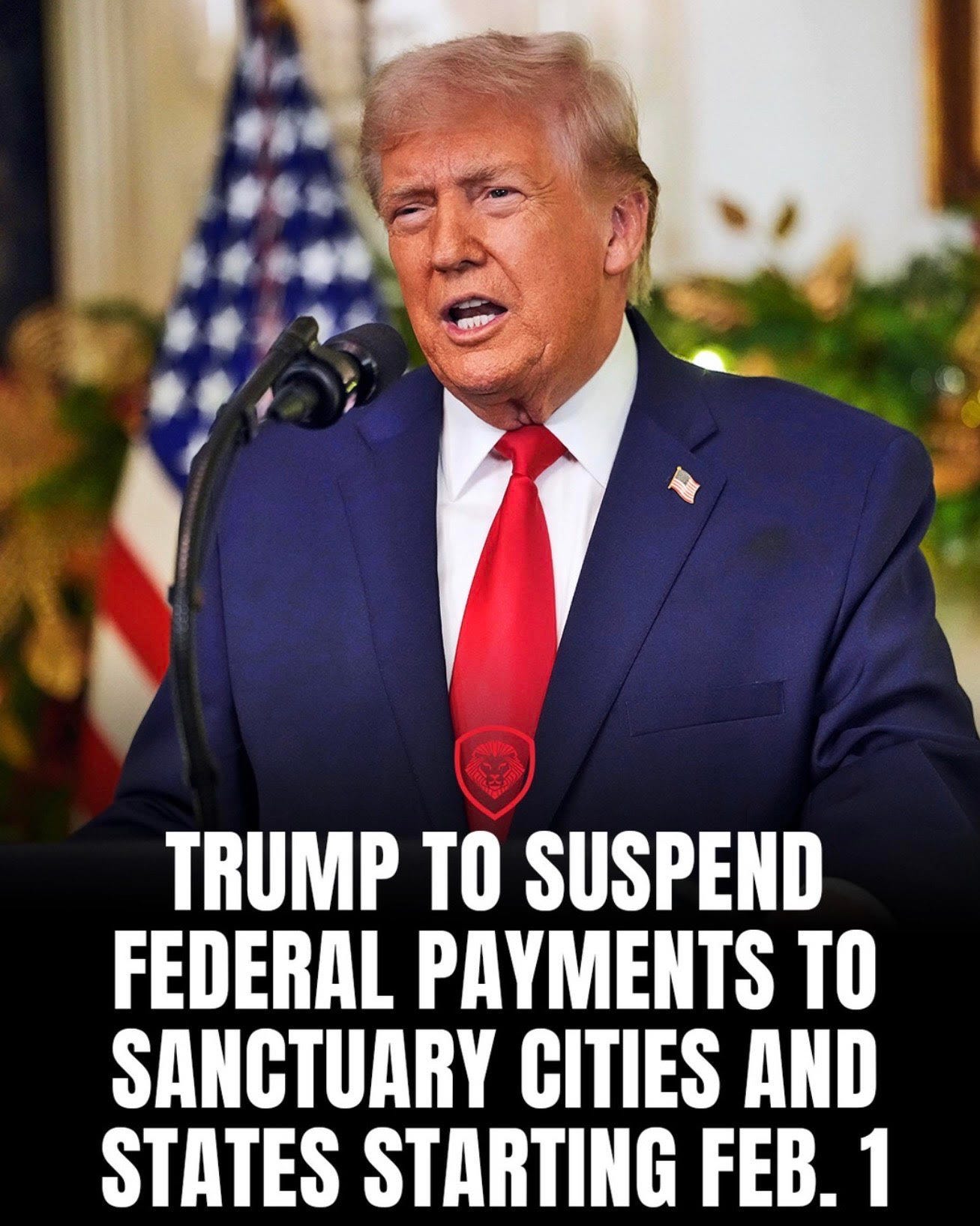
Rhode Islanders are hearing a lot of noise about Donald Trump “cutting off” money to sanctuary states, but almost nobody is explaining what that actually means for our cities, towns, and wallets. This story is meant to do something different: offer a calm, detailed look at the facts, focused on what the law actually allows and on what genuinely protects Rhode Islanders first.
Under federal law, a president cannot simply flip a switch and shut down every dollar going to a state because he dislikes its immigration policies. Different funding streams are governed by different statutes, many are created and directed by Congress, and past court rulings have already blocked attempts to yank broad, unrelated grants from so‑called sanctuary jurisdictions. Some targeted law‑enforcement or immigration‑related funds can potentially be conditioned on cooperation, but sweeping threats that sound like “no more federal money for your state” are mostly political theater unless Congress has clearly tied that money to specific immigration requirements.
“Sanctuary” itself is a political label, not a single legal status, and in practice it can mean several different local choices: whether police honor civil ICE detainers, what information is shared with federal agencies, and how local officers handle victims and witnesses who lack legal status. Rhode Island’s leaders owe residents a specific explanation of which of these policies exist here, how they interact with federal law, and which grants—if any—could realistically be challenged under a new enforcement push from Washington. That is especially important in a state where the budget has grown far faster than household income and where cities and towns rely heavily on predictable federal aid for schools, health care, and public safety.
A right‑leaning independent perspective starts from two basic questions: Are we enforcing the law fairly and humanely, and are state leaders protecting the budget instead of using it as a prop in national partisan fights. That means supporting firm cooperation against violent crime, trafficking, and fentanyl, while also rejecting any overreach—by Trump or by local officials—that stretches the Constitution just to score political points. It also means demanding that the governor and congressional delegation present a contingency plan: if certain grants are credibly at risk, how will Rhode Island shield core services, and if the risks are being exaggerated, why are voters being scared instead of informed.
In the end, Rhode Islanders deserve more than slogans about being “tough on illegals” or “welcoming” cities—they deserve straight answers about which federal dollars are truly in play, what the courts are likely to allow, and how to balance the rule of law with community safety and fiscal stability. This is not a red‑team/blue‑team issue; it is a good‑governance question that affects every family that relies on safe streets, functioning schools, and a state budget that finally grows at something closer to the pace of household paychecks.