


Rhode Islanders aren’t crazy. The bills really are getting worse, and it’s not an accident. It’s the direct result of political choices our leaders made long before most people ever heard the phrase “Revolution Wind.”
Why our bills are already so high
For years, Rhode Island has been tied to an expensive New England grid that still runs mostly on natural gas. When gas prices spike or pipelines get tight, our electric rates jump. That’s the first layer of pain.
But then the General Assembly and our governors added a second layer: some of the most aggressive “100% renewable” mandates in the country. They passed laws that order utilities to buy more and more “green” electricity every year and to hit 100% renewable offsets by 2033. Those laws come with long‑term contracts and renewable credit schemes that cost more than regular power, and by design those extra costs are baked into everyone’s bill.
On top of that, Rhode Island Energy is now asking regulators for big increases in the delivery side of the bill—hundreds of millions more for infrastructure, smart meters, and policy programs—after a three‑year freeze. If those increases are approved, they sit on top of already‑high supply costs. Put together, you get exactly what people see in their mailboxes: bills creeping up year after year, even when they try to conserve.
Why they’re obsessed with offshore wind
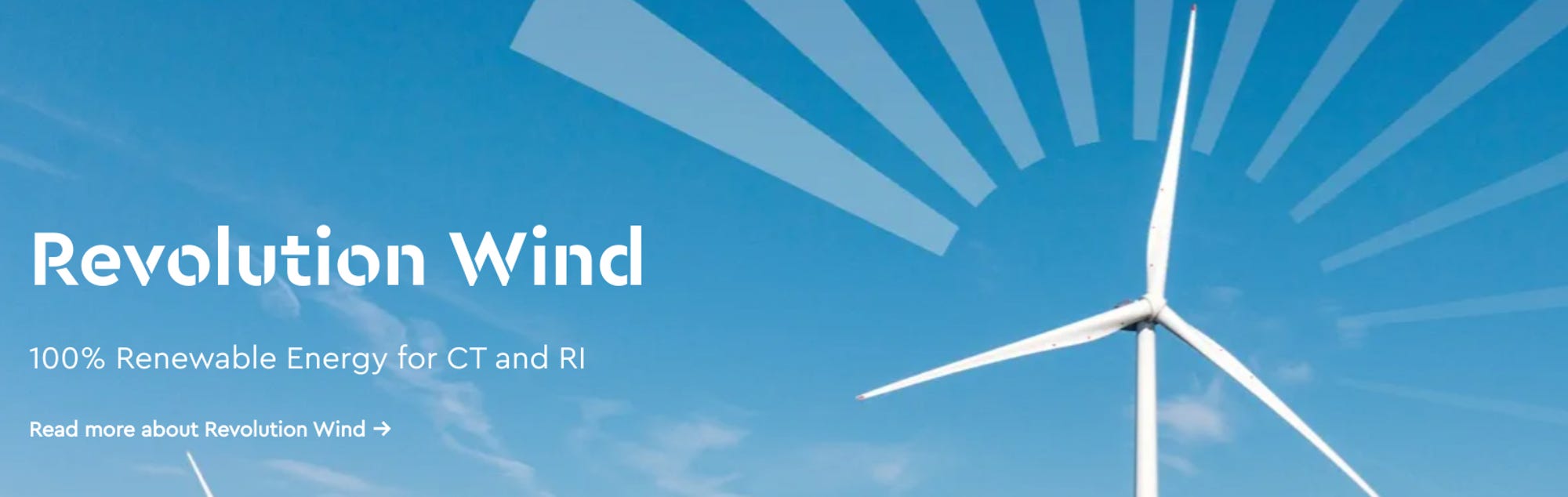
Now the Trump administration has slammed the brakes on large offshore wind projects, including Revolution Wind off Rhode Island and Connecticut, using a national‑security review to halt construction. That project alone is a multibillion‑dollar, 60‑plus‑turbine build that our leaders have been selling for years as the cornerstone of Rhode Island’s “green future.”
So when Trump hits pause, you see the full delegation—governor, senators, House members—rushing to cameras, holding rallies, and blasting the decision as “reckless” and an attack on union jobs. They aren’t just defending one project; they’re defending the whole political story they’ve told voters: that offshore wind plus aggressive mandates will save the climate, create jobs, and eventually make power more “affordable.” If these projects stall, their 2033 promise is in real trouble.
What they and the media rarely admit
Here’s the part you don’t hear in the press conferences:
The renewable contracts and credit programs they’ve locked in generally cost more than conventional power today. That extra cost doesn’t disappear; it’s spread across everyone’s bill through riders and surcharges.
Many of the best‑paid construction jobs on offshore wind are temporary and often require specialized crews that can come from out of state. Once the turbines are in, only a relatively small number of long‑term maintenance jobs remain—while Rhode Islanders keep paying the contracts for decades.
Even with higher costs and big promises, the state’s own climate and renewable progress reports now admit Rhode Island is not clearly on track to meet its emissions and renewable deadlines under current policy design. In other words, people are already paying more, and there is no guarantee the targets will actually be met.
Will prices fall once we’re “100% green”?
The official modeling that helped sell these laws never promised huge bill cuts. At best, it projected modest savings compared with some hypothetical “do nothing” future where fossil‑fuel prices explode—and even those models showed typical Rhode Island households paying about 10 to 30 dollars more per month by the early 2030s than they do now under less aggressive policies.
So is there a pot of gold at the end of this rainbow? For developers and big project owners, yes: guaranteed long‑term revenue. For politicians, yes: climate headlines, activist praise, and something to brag about in campaign ads. For ordinary Rhode Islanders, the picture is murkier: higher bills in the near and medium term, uncertain promises of future stability, and no clear path where electricity suddenly becomes cheap again.
What Rhode Islanders can do now
If this all sounds like a rigged game, that’s because, in many ways, it is—but it was rigged in public, by people whose names are on the ballot. Rhode Islanders are not powerless in this. There are concrete steps people can take to push back on high costs and the “100% green at any price” experiment.
Demand action from state officials. The governor and General Assembly wrote and passed the laws that created the 2033 mandate, long‑term contracts, and many of the surcharges on your bill. Rhode Islanders can call, email, and meet with their state representatives and state senators to demand reforms that cap cost‑driving mandates, require honest bill‑impact statements on every new climate bill, and put affordability back at the top of the agenda.
Press the regulators who approve rates. The Public Utilities Commission holds public hearings on Rhode Island Energy’s rate hikes. Showing up, submitting written comments, and asking hard questions about which costs are truly necessary and which are policy add‑ons is one of the few ways ordinary people can influence the numbers before they hit the bill.
Focus pressure where it matters, not just on petitions. Online petitions and angry posts don’t change a single rate schedule. Targeted pressure does: turning out for rate cases, opposing specific expensive contracts, and insisting on full transparency about how much each mandate, program, and long‑term deal is adding to the average family’s bill. And if the politicians who built this system refuse to fix it, Rhode Islanders still have one tool left: stop sending the same people back to Providence and Washington to do it all over again.
That’s the real story: our delegation chose an energy experiment that front‑loads the costs onto ratepayers, gambles on big offshore wind projects to rescue their 2033 pledge, and leaves Rhode Island families hoping that someday, somehow, the math will finally break their way.